[A former footballer is leading a team developing a virtual reality app designed to use presence to help users understand what sexual harassment feels like and thereby prevent disturbing incidents of harassment, abuse and violence. Details are in the press release below from the University of Staffordshire; see also a story from BBC News. It’s interesting, and apparently unfortunate, that closely related projects on this and other topics develop independently (for example, see the May 2025 ISPR Presence News post “Step into her shoes: VR highlights sexual harassment on trains” and the January 2026 post “Men embodying women in VR report strong emotional reactions to verbal harassment.” –Matthew]
[Image: Source: BBC News]
University develops VR app to tackle violence against women and girls
March 9, 2026
A new app developed by University of Staffordshire and TKO Consulting uses virtual reality to raise awareness of violence against women and girls.
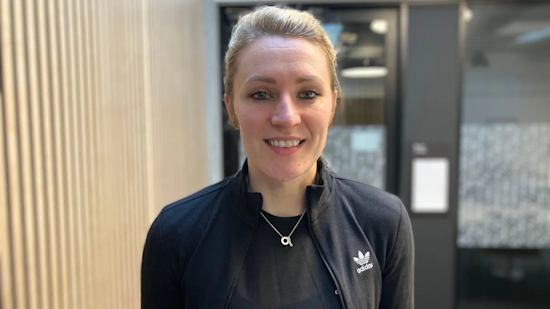
The project is the brainchild of former Stoke City footballer Meg Bowyer who has been subjected to sexual harassment on multiple occasions when out exercising.
“Men would shout inappropriate comments as I ran past,” she said. “If that was your mum, sister, wife, daughter or friend, you wouldn’t like them having that shouted at them.
“So, I thought what can we do? I thought, if men can put on a VR headset and see through the eyes of a woman, that might make them understand how we feel.”
She added: “It’s not saying you are doing something wrong – they might not necessarily realise how they make women feel. It’s about raising awareness and educating people.”
Meg works for TKO Consulting, which supports offenders after their release from prison, and approached University of Staffordshire to collaborate on an immersive virtual reality (VR) app to challenge attitudes and educate people about this type of harassment.
Over the past 18 months, Meg has worked with Lecturer in Policing David Webb and Digital Education Officer Simran Cheema to design an app that places users in realistic scenarios commonly experienced by women.
Using a VR headset, participants step into the role of Zoe, a woman walking home alone. As events unfold, users are confronted with inappropriate comments and the experience of being followed – situations many women face regularly.
David has 18 years’ experience as a police officer and is currently completing a PhD in domestic abuse research. He is also a member of the University’s VAWG Hub, which connects professionals, police, and charities to improve support for victims of domestic and sexual abuse.
“Virtual reality gives us a safe environment to explore difficult situations. This app enables users to step directly into Zoe’s shoes and experience how quickly an ordinary evening can become intimidating,” David explained.
“The aim is to educate people about attitudes and behaviours towards women and girls by providing a first-hand experience of the harassment many women encounter daily.”
The app will now be trialled with TKO Consulting, as well as local schools, colleges and businesses, before being rolled out more widely. The team also plans to evaluate its impact through research and hopes to incorporate it into teaching across University degree programmes.
“There is a lot of potential for this VR experience,” commented Simran, who helped to design the app. “We’ve started off with a stalker scenario, but there are many other situations that women face which could be explored.
“We are also considering how the technology could be used in training for policing students. For example, if a woman reported this type of situation, trainee officers might find that no clear offence has been committed. However, experiencing the scenario could help students better understand how the behaviour affects the victim and encourage them to think carefully about how they respond.
“But our immediate goal is to get this out there and encourage meaningful discussions. If people can experience just a fraction of the fear or discomfort that women face in everyday situations, it can help to shift perspectives.”
—
Media enquiries: comms@staffs.ac.uk
Leave a Reply